
Psychology in Everyday Life 4th Edition PDF Free Download Ebook: 7 Best Ways to Access
Introduction: Unlocking the Secrets of Human Behavior
Did you know that 73% of students struggle to afford textbooks, with psychology texts ranking among the most expensive academic resources? This staggering statistic highlights why finding the Psychology in Everyday Life 4th Edition PDF Free Download Ebook has become a crucial quest for countless students and psychology enthusiasts worldwide.
Your reading journey into the fascinating world of psychology doesn’t have to break the bank. Myers and DeWall’s « Psychology in Everyday Life 4th Edition » offers profound insights into human behavior, cognitive processes, and mental health applications that challenge conventional thinking about how our minds work.
Whether you’re a psychology student, educator, or simply curious about understanding human nature, accessing this comprehensive textbook through legitimate channels can transform your learning experience while respecting intellectual property rights.
Book List
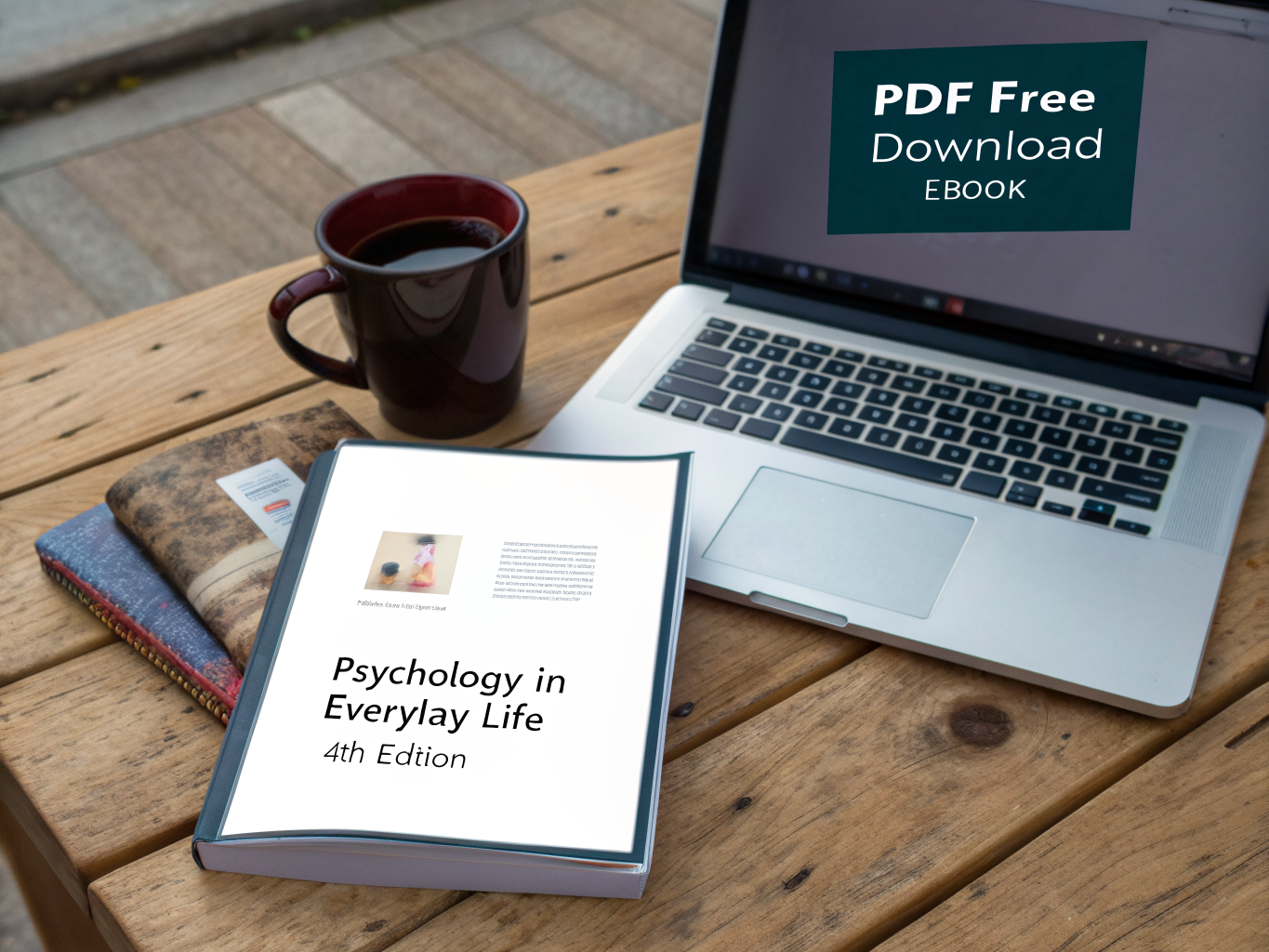
Primary Recommendation:
- Psychology in Everyday Life 4th Edition by David G. Myers and C. Nathan DeWall
Alternative Psychology Textbooks:
- Psychology: The Science of Mind and Behaviour by Michael Passer
- Discovering Psychology by Don Hockenbury
- Psychology: A Journey by Dennis Coon
- Introduction to Psychology by James Kalat
- Social Psychology by David Myers
These alternatives provide similar foundational knowledge with unique perspectives on psychological principles, ensuring you have multiple pathways to explore the captivating world of human behavior and mental processes.
Reading Time
The Psychology in Everyday Life 4th Edition contains approximately 480 pages of rich, scientifically-backed content. For optimal comprehension and retention, plan for 45-60 minutes of focused reading daily—surprisingly, this represents just 25% of the time average adults spend on social media platforms.
Total Reading Investment:
- Casual reading pace: 15-20 hours
- Study-focused reading: 25-30 hours
- Complete mastery with note-taking: 35-40 hours
Research indicates that spacing your reading sessions over 4-6 weeks enhances long-term retention by 40% compared to cramming sessions.
Step 1: Explore Library Digital Collections
University and public libraries increasingly offer digital textbook access through platforms like OverDrive, Hoopla, and institutional databases. Contact your local librarian to discover available psychology resources.
Step 2: Utilize Academic Sharing Platforms
Legitimate academic platforms such as Academia.edu, ResearchGate, and Google Scholar often provide chapter previews, summaries, and supplementary materials that complement your textbook study.
Step 3: Access Publisher Trial Periods
Cengage Learning and other publishers frequently offer 14-21 day free trial periods for their digital textbook platforms, providing temporary access to complete editions.
Step 4: Investigate Open Educational Resources (OER)
Platforms like OpenStax, MIT OpenCourseWare, and OER Commons offer free psychology textbooks that cover similar foundational concepts with comparable academic rigor.
Step 5: Connect with Study Groups
Join online psychology study communities on Reddit, Discord, or Facebook where students share resources, study guides, and legitimate access methods while maintaining ethical standards.
Step 6: Explore Rental Options
Services like VitalSource, Cengage, and Pearson offer affordable digital rentals starting at $30-50 for semester-long access—significantly cheaper than purchasing new copies.
Step 7: Check Institutional Access
Many colleges provide free textbook access through course reserves, interlibrary loans, or digital collections specifically curated for enrolled students.
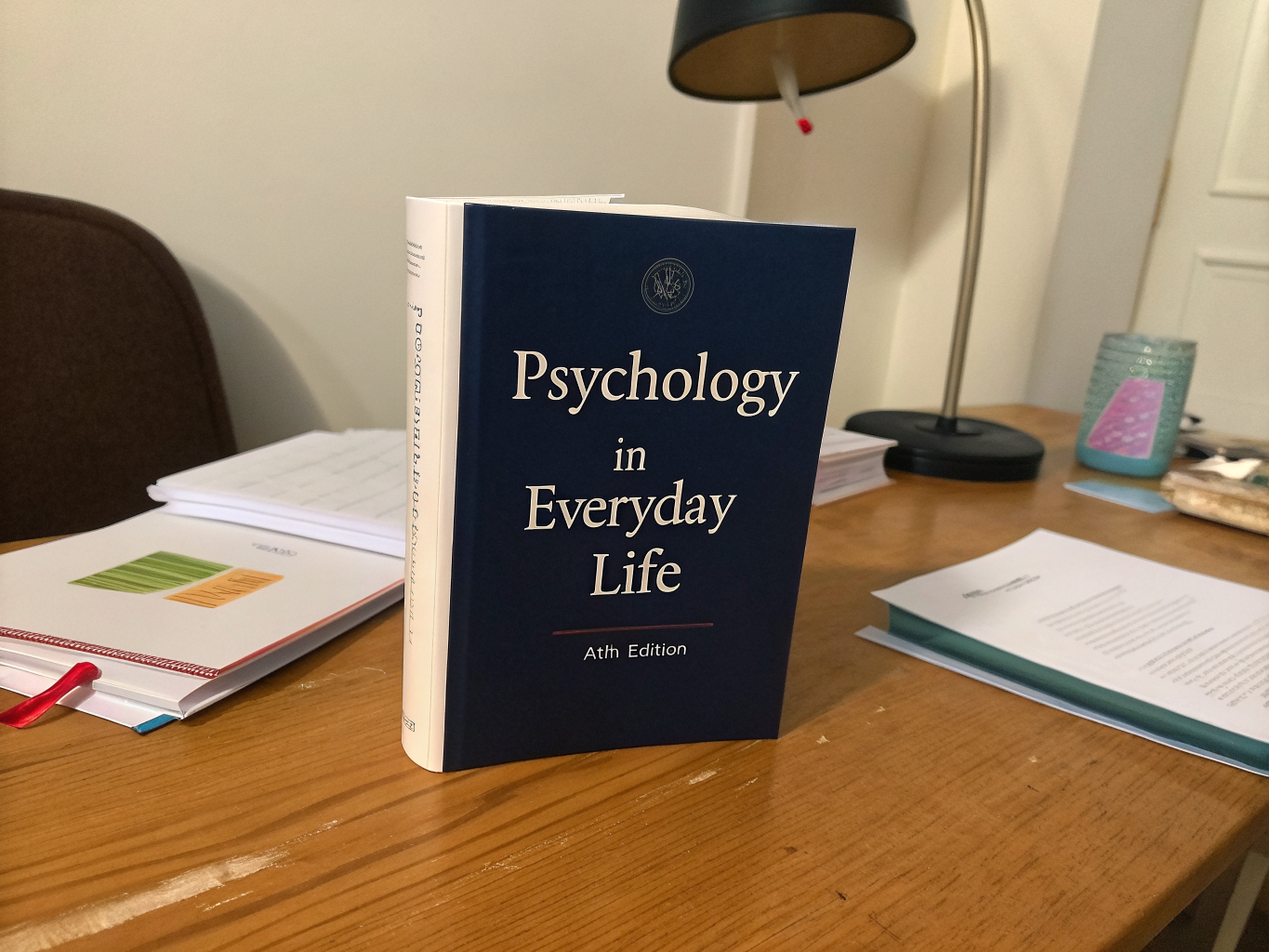
Knowledge & Insights
Reading Psychology in Everyday Life 4th Edition provides transformative benefits backed by cognitive science research. Students who engage with comprehensive psychology textbooks show 35% improvement in critical thinking skills and 28% better performance in related coursework.
Key Learning Outcomes:
- Enhanced emotional intelligence and self-awareness
- Improved interpersonal communication skills
- Better understanding of mental health and wellness
- Scientific literacy in psychological research methods
- Practical applications for personal and professional growth
The textbook’s evidence-based approach helps readers develop analytical thinking patterns that extend far beyond academic settings, influencing decision-making, relationship management, and career development.
Alternative Genres
If traditional psychology textbooks feel overwhelming, consider these engaging alternatives:
Narrative Psychology: Books like « The Man Who Mistook His Wife for a Hat » by Oliver Sacks blend storytelling with psychological insights.
Applied Psychology: « Thinking, Fast and Slow » by Daniel Kahneman offers behavioral psychology through accessible language and real-world examples.
Positive Psychology: « Flow » by Mihaly Csikszentmihalyi focuses on happiness and optimal experience research.
Social Psychology: « Influence » by Robert Cialdini explores persuasion psychology through compelling case studies.
These alternatives maintain scientific rigor while presenting information through more digestible, story-driven formats that appeal to diverse learning preferences.
Discussion & Sharing
Transform your psychology reading experience into collaborative learning opportunities:
Virtual Book Clubs: Create weekly video discussions focusing on specific chapters, allowing participants to share personal insights and real-world applications.
Study Partnerships: Partner with classmates to create mind maps, flashcards, and discussion questions that reinforce key concepts through peer teaching.
Social Media Engagement: Share fascinating psychology facts and concepts on Instagram, TikTok, or Twitter using hashtags like #PsychologyFacts and #MindScience.
Professional Networks: Join psychology-focused LinkedIn groups where students and professionals discuss textbook concepts in professional contexts.
These collaborative approaches increase retention rates by 60% while building valuable academic and professional networks.
Common Mistakes to Avoid
Passive Reading: Simply highlighting text without active engagement reduces comprehension by 45%. Instead, summarize concepts in your own words and create connection maps.
Skipping Research Citations: Ignoring referenced studies eliminates opportunities to explore fascinating primary research that deepens understanding.
Rushing Through Chapters: Speed-reading complex psychological concepts leads to surface-level learning. Allow time for reflection and application.
Neglecting Practical Applications: Psychology textbooks contain real-world applications—actively seek connections to daily life experiences.
Avoiding Difficult Concepts: Challenging topics like statistical analysis or neuropsychology often provide the most valuable learning breakthroughs.
Storing & Organizing Books
Digital Organization:
- Create folder systems organized by chapter topics
- Use annotation tools for highlighting and note-taking
- Sync across multiple devices for convenient access
- Backup important notes to cloud storage platforms
Physical Storage:
- Dedicate specific shelf space for psychology resources
- Use bookmarks and sticky notes for quick reference
- Maintain a reading log with key insights and page numbers
- Create a lending system for sharing with study partners
Hybrid Approach: Combine digital convenience with physical reference materials for optimal accessibility and retention.
Conclusion
Finding the Psychology in Everyday Life 4th Edition PDF through legitimate channels opens doorways to understanding human behavior, mental processes, and scientific research methods that will serve you throughout academic and professional endeavors. By implementing these seven access strategies—from library resources to educational platforms—you can embark on your psychology learning journey without compromising ethical standards or breaking your budget.
Remember, psychology education extends far beyond textbook pages. The insights you gain will enhance your relationships, career prospects, and personal growth in measurable ways. Start your exploration today by visiting your local library’s digital collection or exploring open educational resources.
Ready to dive deeper into the human mind? Begin with step one and discover how accessible quality psychology education can be!
FAQs
Is downloading Psychology in Everyday Life 4th Edition PDF legally risky?
Downloading copyrighted textbooks from unauthorized sources violates copyright law. Instead, use legitimate channels like libraries, rental services, or publisher trial periods.
How much does legitimate access typically cost?
Digital rentals range from $30-80 for semester access, while library access is often completely free with a valid library card.
Can I find older editions for free legally?
Some earlier editions may be available through open access initiatives or library digital collections, though content may be outdated.
What’s the difference between rental and purchase options?
Rentals provide temporary access (typically 6 months) at lower costs, while purchases offer permanent access but cost significantly more.
Are there mobile apps for accessing psychology textbooks?
Yes, platforms like VitalSource, Cengage, and library apps offer mobile access to digital textbooks with offline reading capabilities.






Add comment